Why interior design fees can feel confusing
One of the first questions homeowners ask before hiring an interior designer is simply what it will cost. It is a fair question, and the honest answer is that it depends less on the designer's rate and more on how the fee is structured.
Two designers can quote very differently for the same home because one charges by the hour, another charges a flat fee, and a third earns part of their income through furniture buying. None of these is wrong. They just suit different projects.
This guide explains the main ways interior designers in London charge, what changes the cost of a project, and the questions worth asking before signing anything.
The four main ways interior designers charge
Fixed fee: one agreed price for the whole design, paid in stages
Hourly rate: time billed as it is spent
Per room: a set price for each room designed
Percentage: a share of the total build or furnishing cost
Fixed fee
A fixed fee is agreed once the designer has seen the home and understood the brief. The client knows the full design cost from the start, and the fee is normally split into instalments that follow the stages of the project. For most homeowners this is the easiest model to budget for, because the number does not move as the work goes on.
Hourly rate
Hourly billing is common for one-off consultations, colour advice or help with a single decision. It is flexible, but on a larger project the final total is harder to predict.
Per room
Some studios, particularly online services, price by the room. This works well for straightforward spaces. It can become less clear when rooms connect, such as an open-plan kitchen and living area, or a hallway and staircase that need to feel like one scheme.
Percentage of the project
A percentage fee rises with the size of the build or the furnishing budget. It is more common on large renovations and new builds, where the designer is involved throughout construction.
Procurement: how furniture buying works
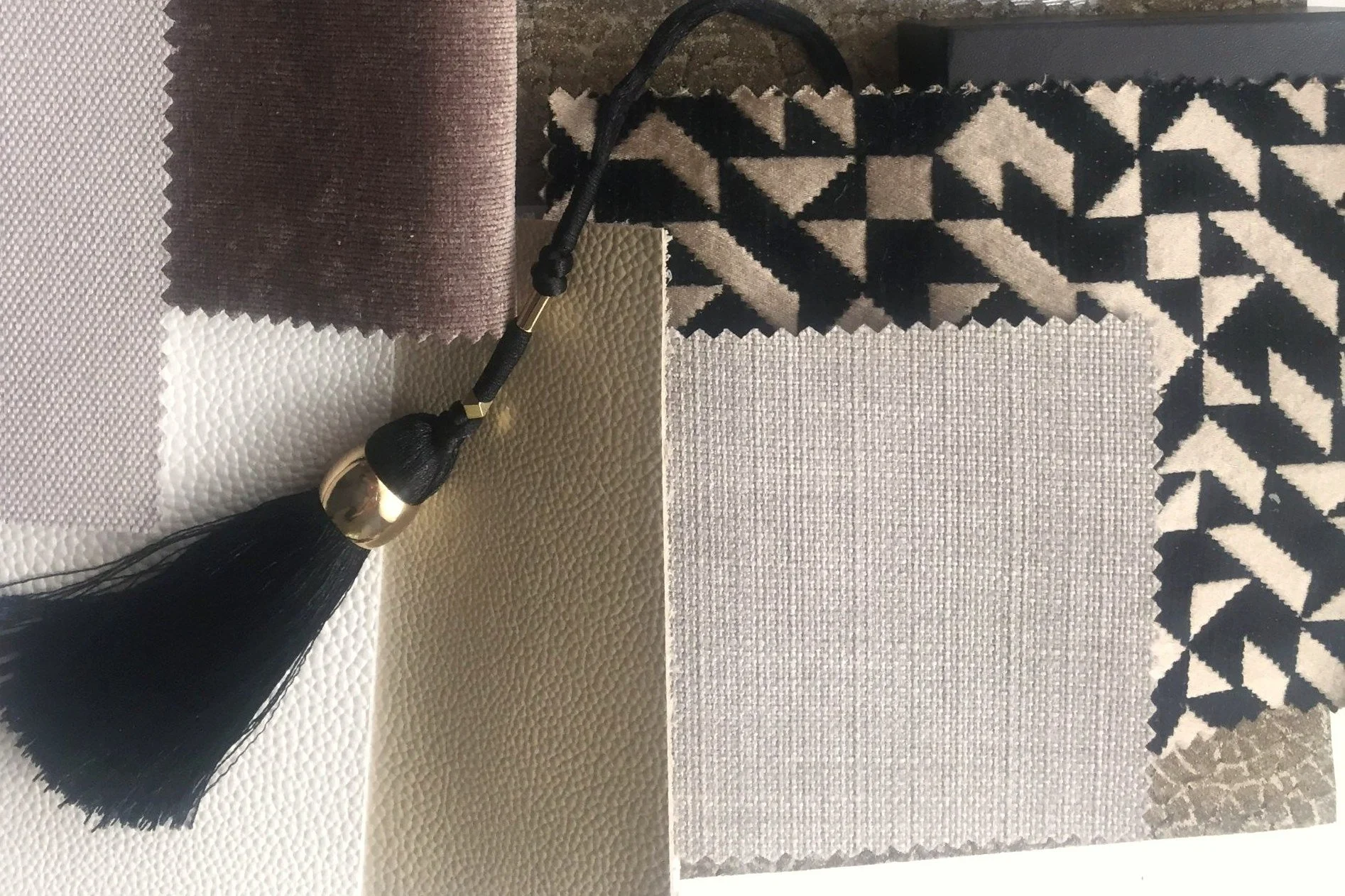
Procurement is the ordering of furniture, lighting, fabrics and accessories once the design is approved. It is often the part of the fee structure homeowners understand least.
Many designers buy through trade accounts with suppliers. Depending on the studio, the trade discount may be passed on to the client, kept as part of the designer's income, or combined with a separate procurement fee. A well-run studio will explain this plainly before work begins.
What matters most to the client is usually three things:
every item is approved before it is ordered
prices are no higher than buying the same piece directly at retail
one person handles orders, deliveries, damaged items and supplier queries
That last point is easy to underestimate. On a full-home project there can be dozens of orders arriving from different suppliers over several months.
What affects the cost of a project
Whichever model a designer uses, the same few things decide how much design work a home needs.
Number of rooms. A single bedroom and a whole ground floor are very different pieces of work.
Building work. Moving walls, new kitchens and bathrooms need detailed drawings and coordination with builders. Decoration and furnishing alone need far less.
Bespoke joinery. Fitted wardrobes, alcove units and built-in storage each need their own drawings.
Period properties. Victorian and Edwardian homes often have uneven walls, original features to protect and awkward layouts, which take more time to plan well.
Level of involvement. A design handed over for the client to carry out costs less than a design the studio also manages through to installation and styling.
Revisions. Most studios include a set number of design revisions. Changing direction late in the project usually adds cost.
The design fee is only one part of the budget
The design fee pays for the thinking, drawings, specifications and, where agreed, the management of the project. It is separate from the cost of the building work, furniture, lighting, fabrics and accessories.
It helps to think of a project budget in three parts:
Design fee: the designer's work.
Building and trades: builders, electricians, decorators, joiners.
Furnishings: everything that is bought and placed in the rooms.
Sharing an honest overall budget early helps the designer plan a scheme that can actually be delivered. A beautiful design that cannot be afforded is not a good design.
Questions worth asking before hiring a designer
Is the fee fixed, hourly or a percentage?
How is it split into payments, and when is each one due?
How many design revisions are included?
Is project management included, or is it an extra?
How does furniture buying work, and will every item be approved first?
Who handles deliveries, returns and damaged items?
Frequently asked questions
Is a first consultation free? Many studios offer a short free call to talk through the project before any fee is agreed. A visit to the property to measure and photograph usually follows before a written proposal.
Can an interior designer work within a set budget? Yes. A good designer plans the scheme around the budget from the start, choosing where to spend and where to save.
Is it cheaper to hire a designer for just one room? The overall fee is lower, but a single room still needs the same care. Designing connected spaces together often gives a better result for the money.
Do interior designers in London charge more than elsewhere? London fees are generally higher than in many other parts of the UK, reflecting the cost of running a studio and the type of properties involved.
How fees work at Mond Design Interiors
Mond Design Interiors is a BIID-accredited studio working with homeowners across London and Surrey, with e-design available throughout the UK and overseas. Every project is led by one designer from first idea to final styling.
Each project starts with a short free call, followed by a visit to the home to measure and photograph the space. A written proposal then sets out a single fixed design fee, paid in stages as the project moves forward, with the number of design revisions agreed at the start. Project management and procurement are available as part of the service, and every item is approved before anything is ordered.
More detail on what each service includes is on the interior design services page. To talk through a project, get in touch here.