Transform Your Home with Textiles and Textures
Textiles and textures have the power to make any space feel inviting, layered, and full of character. Beyond aesthetics, they add warmth, depth, and personality — turning a house into a home. And the best part? You don't need to spend a fortune or start from scratch. Thoughtful layering of what you already have, combined with a few well-chosen additions, can completely transform how a room feels.
Start with a Strong Base
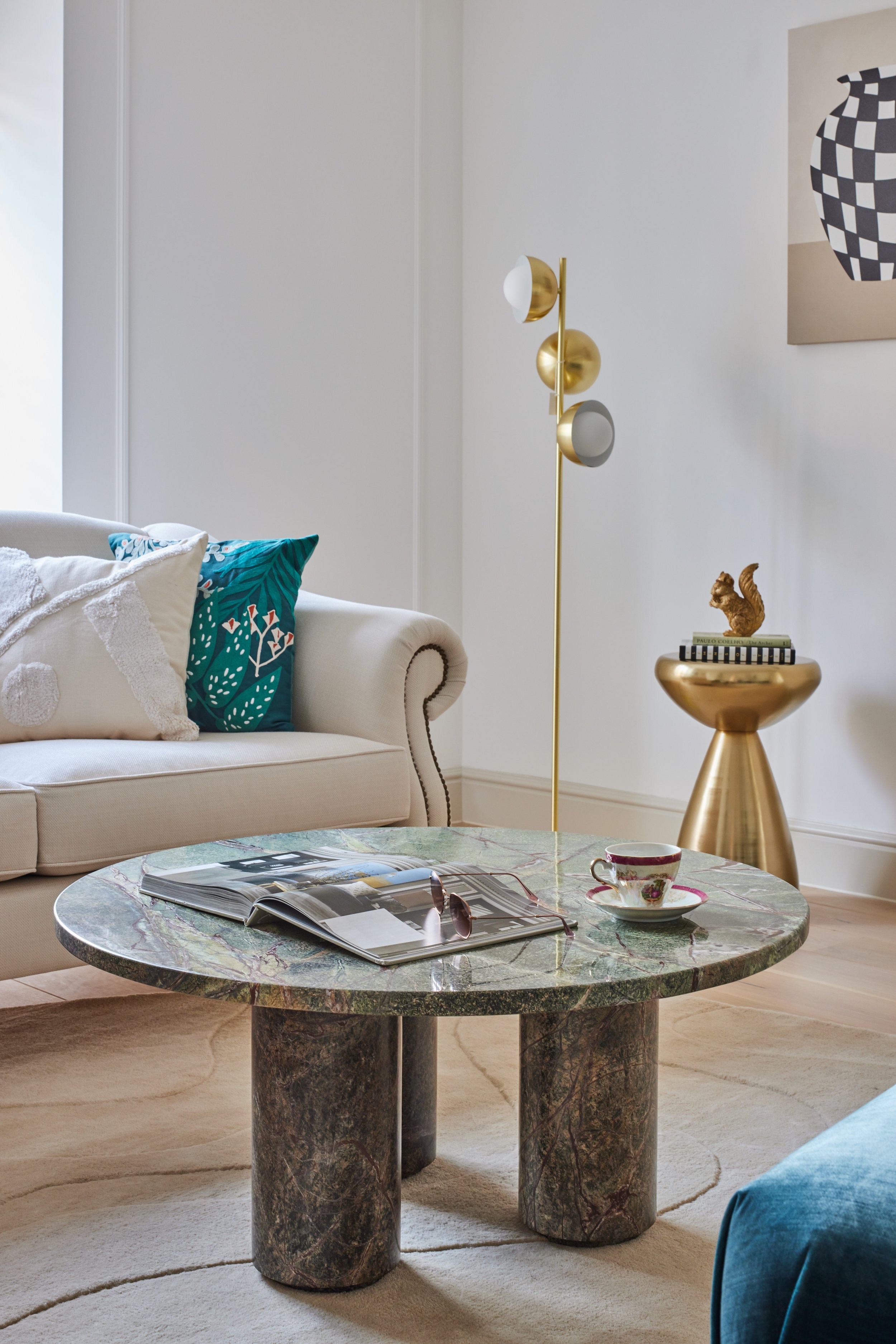
Image credit: Mond Design Interiors
The foundation of a well-layered space begins with your largest pieces — sofa, rug, curtains. Get these right and everything else becomes easier.
A neutral base gives you the most flexibility. A natural linen sofa, a wool or jute rug in an oatmeal tone, or simple unlined curtains in a soft fabric — these create a calm backdrop that works with almost any accent colour or texture you introduce later.
In our Wimbledon project, we started with a white sofa and a marble coffee table, letting the clean base do the work before layering in texture through cushions, throws, and accessories. The result feels considered without being overdone.
Resist the urge to introduce too much colour at this stage. Save that for the next layer.
Layering for Depth and Contrast
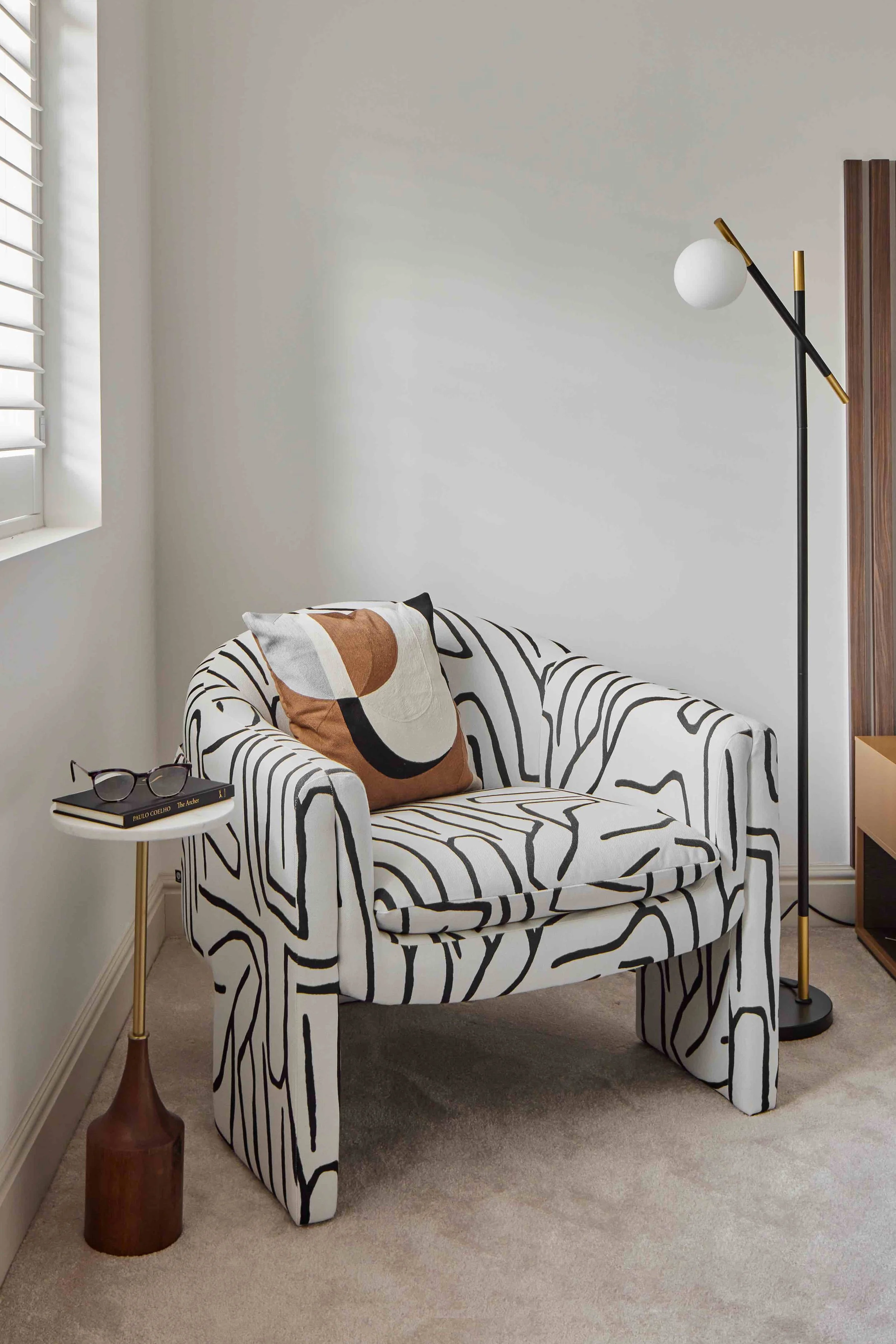
Image Credit: Mond Design Interiors
Once your base is in place, texture is what brings a room to life. The key principle is contrast — mixing materials that sit opposite each other on the tactile spectrum.
Some combinations that work particularly well:
Smooth leather + chunky knit throw — classic contrast, always works
Linen cushions + velvet sofa — soft against soft but with very different surfaces
Matte walls + glossy ceramic lamp base — subtle but effective
Rough jute rug + silky cushion covers — organic meets refined
The goal isn't to match everything — it's to create a conversation between materials. A room where every surface has the same finish feels flat, however expensive the individual pieces are.
Introducing Pattern
Pattern is where many people hesitate, but it's easier to get right than it looks. The rule is simple: vary the scale.
Mix a large-scale pattern with a small one and a plain. For example — a bold geometric cushion, a small ditsy print throw, and a plain velvet cushion in a coordinating colour. Three patterns of the same scale fight each other; three of different scales work together.
In terms of colour, keep your patterns within the same family. If your base is warm — creams, taupes, warm greys — your patterns should pull from the same warm palette. Mixing warm and cool tones in pattern is where things start to look unintentional.
Rugs: The Most Underestimated Element
A rug does more work in a room than almost any other textile — it defines the space, adds warmth underfoot, absorbs sound, and ties furniture together.
The most common mistake is going too small. In a living room, the rug should be large enough for at least the front legs of all your seating to sit on it. A rug that floats in the middle of the room with furniture around the edges makes everything feel disconnected.
On layering rugs — a smaller patterned rug over a larger neutral one works well in living rooms and bedrooms, adding visual interest and a sense of considered styling. It's a technique used regularly in the Wimbledon and Richmond homes we work on, particularly in spaces that need warmth without heavy colour.
Cushions and Throws: The Finishing Layer
Cushions and throws are the easiest and most affordable way to change the feel of a room seasonally — heavier textures and deeper tones in autumn and winter, lighter linens and cottons in spring and summer.
A few guidelines:
Odd numbers work better than even — three or five cushions on a sofa looks more natural than two or four
Mix sizes — one large, one medium, one smaller
Don't over-cushion — a sofa buried in cushions looks uncomfortable and high-maintenance
A throw should look casually placed, not folded with military precision
Finding Balance
Layering textures should feel intentional, not overwhelming. The test is simple — step back and look at the room as a whole. If your eye moves around the space without getting stuck anywhere, it's working. If something jars, it's usually because one element is too dominant or because there's no breathing space between busy elements.
Simplify before you add. It's always easier to add another layer than to unpick one that isn't working.
Working with Textiles in SW London Homes
The homes I work on across Wimbledon, Richmond, Putney, and Surrey vary enormously — from open-plan modern extensions to original Victorian reception rooms — but the approach to textiles is consistent. Start with quality basics, layer thoughtfully, and don't be afraid of texture.
If you'd like help choosing textiles and finishes for your home, book a free consultation — it's the quickest way to get a clear direction.